
Heritage Tourism Specialist
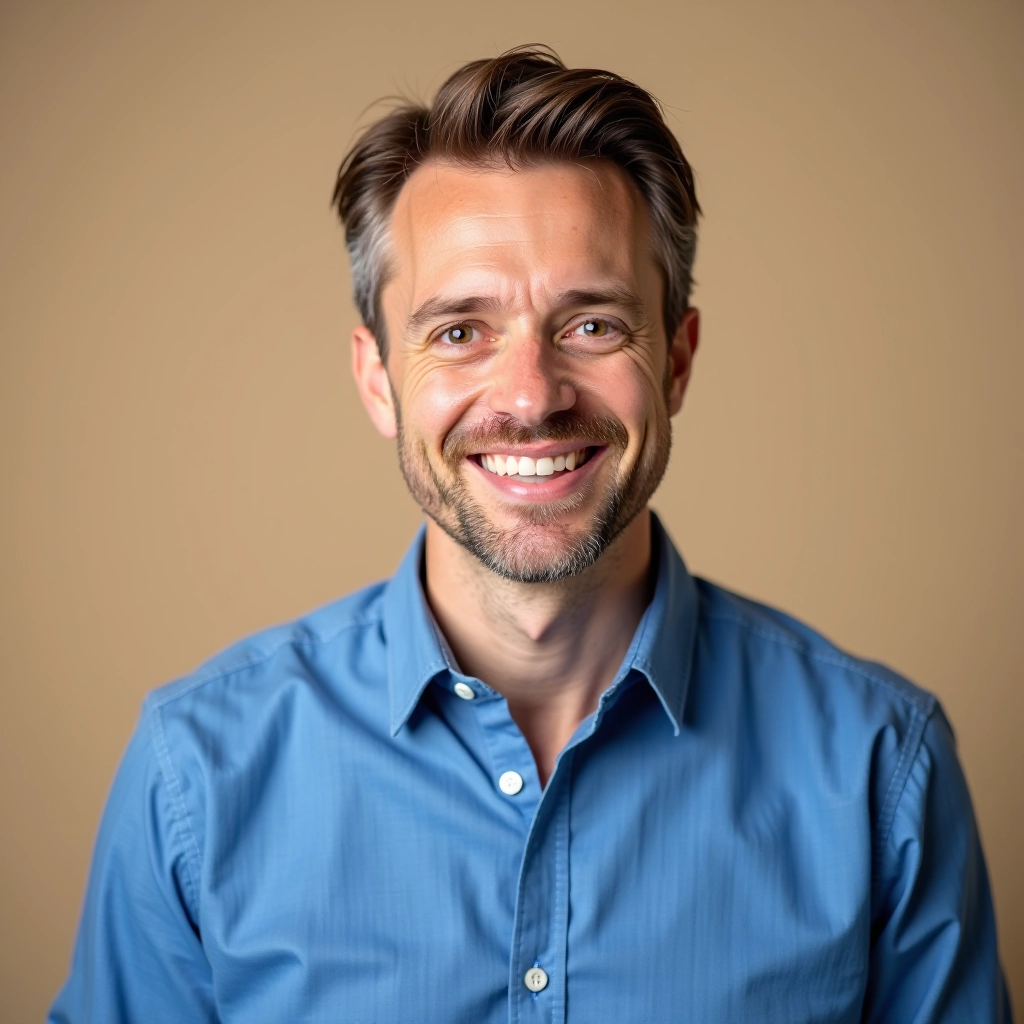
Andris Bērziņš
16 years designing accessible nature experiences at heritage millpond sites across the Baltics
Andris brings deep expertise in sustainable rural heritage tourism and accessible outdoor recreation. His work focuses on making historic watermills and riverside meadows welcoming for older visitors—combining conservation with genuine accessibility.
Senior Heritage Tourism Consultant at Lukegeelan Digital Solutions Ltd
The Work & The Passion
An insider's look at heritage site design and why accessibility matters
How did you end up focusing on watermill heritage and senior tourism?
It wasn't a calculated decision, honestly. I grew up in the Svēte river valley region where my family still maintains traditional agricultural practices near several historic mill sites. Those millponds weren't just background scenery—they shaped how I understood landscape conservation. When I completed my environmental management degree at Latvia University of Life Sciences in 2008, I spent five years as a site manager at protected heritage locations before transitioning to consultancy. But the real pivot came around 2013 when I started working directly with older visitors at Valgunde Mill. I noticed immediately that most heritage sites weren't designed with their needs in mind. Steep paths, minimal seating, no interpretive signage at eye level. That disconnect bothered me. So I began documenting what actually works.
What makes your approach different from typical tourism development?
Most heritage tourism projects treat accessibility as an afterthought—a ramp here, a bench there. But that's not what older visitors need. They need thoughtful design from the ground up. Accessible pathways, rest stops positioned at natural viewpoints, interpretive signage that tells real stories without requiring perfect eyesight. Plus, proper facilities matter. A clean toilet, a shelter from rain, a place to sit that doesn't feel like you're being warehoused. I spend time actually watching how people use these spaces. Not just surveying them—watching them walk, rest, navigate, interact with the environment. That fieldwork informs everything I design. My 2019 study on age-friendly outdoor recreation in the Baltics came directly from five years of those observations at sites like Valgunde Mill and the Svēte meadow ecosystem.
What's the biggest misconception about heritage site management?
That conservation and accessibility are opposing forces. People assume you can't improve access without damaging historical integrity. But that's not true if you approach it thoughtfully. You don't need to bulldoze a historic landscape to make it navigable. You need smart pathways that follow natural contours, minimal but visible signage that matches the site's character, rest areas that blend into the environment rather than dominating it. I've seen projects where accessibility actually enhanced the experience—better sightlines revealed new perspectives on the landscape, proper lighting at dusk made the watermill architecture more dramatic, thoughtful seating created natural gathering points. Heritage and access aren't enemies. They're partners when done right.
Why focus specifically on older visitors?
Because they're often overlooked and underestimated. Older adults have more time to travel, more appreciation for history and natural landscapes, and frankly more disposable income than many other demographics. But they also face real constraints—reduced mobility, hearing or vision changes, stamina limitations. Design that works for them actually works for everyone. A well-positioned rest bench benefits the elderly visitor, the parent with a stroller, the person recovering from injury. Accessible pathways mean safer walking for everyone. But more fundamentally, I believe heritage sites belong to everyone, not just young, able-bodied hikers. My work is about expanding that circle of who gets to experience these places and their stories.
What's a project that really shaped how you think about this work?
The Valgunde Mill restoration project from 2016-2018 stands out. We weren't just restoring the physical structure—we were reimagining how visitors could actually engage with it. I worked with a local accessibility consultant and, critically, with a group of seniors who regularly used the site. We mapped their routes, noted where they struggled, asked what would make them feel welcome. The result was a cascade of modest interventions. Gentle ramps rather than steps, a covered rest area overlooking the millpond, interpretive panels that explained the mill's mechanics and history at eye level with larger type. We also created a secondary loop trail—shorter and easier than the main path—so visitors could experience the Svēte meadow without overcommitting physically. Nothing radical. But it fundamentally changed who could access that site. That project taught me that the best design solutions come from listening to actual users, not from assumptions.
Education & Experience
16 years building expertise in heritage conservation and accessible tourism design
Degree: Environmental Management
Latvia University of Life Sciences, Jelgava. Specialized in landscape conservation and sustainable resource management.
Site Manager
Protected heritage locations across central Latvia. Managed visitor flows, conservation priorities, and community engagement at multiple historic sites including mill complexes and river valley preserves.
Senior Heritage Tourism Consultant
Lukegeelan Digital Solutions Ltd. Design accessible tourism experiences at heritage sites. Specialize in senior-friendly outdoor recreation, pathways, rest facilities, and interpretive signage for historic watermills and natural areas.
Lead Consultant: Valgunde Mill Restoration
Designed accessibility framework for heritage mill complex. Collaborated with local seniors, accessibility specialists, and conservation boards to create age-friendly pathways, rest areas, and interpretive programs.
Research Publication
Comprehensive study on age-friendly outdoor recreation in the Baltics. Documented design standards, accessibility best practices, and visitor experience research across heritage sites and natural areas.
Community Partnerships
Regular consultation with municipal heritage boards, local seniors' groups, and conservation organizations. Field research, design workshops, and ongoing evaluation of accessibility improvements at Svēte river valley sites.
Design Philosophy
What drives the work
Heritage sites aren't museums frozen in time. They're living landscapes with stories to tell—stories that belong to everyone, regardless of age or mobility. That's the core belief driving my work.
Too often, heritage conservation and accessibility get framed as competing priorities. You preserve the site or you make it accessible. But that's a false choice. The best outcomes happen when you treat accessibility as part of conservation itself. When you design thoughtfully, accessibility becomes invisible—it's just good design.
I'm driven by practical solutions informed by real research. Not assumptions about what older visitors need. Not generic accessibility checklists. But actual observation of how people move through spaces, what barriers they encounter, where they naturally want to rest or linger. That fieldwork—sitting by a millpond watching how visitors navigate the landscape—that's where real insight comes from.
And I'm committed to the intersection of conservation and inclusion. Heritage belongs to everyone. The 70-year-old who wants to walk the Svēte meadow trail deserves the same quality experience as the 30-year-old. The person with limited mobility deserves to experience Valgunde Mill's history and architecture. Design that makes those experiences possible isn't extra—it's essential.
"Heritage sites should tell their stories to everyone regardless of mobility or age. That's not just good practice—it's the whole point."
Conservation First
Respect for historical and natural integrity guides every decision. Access improvements enhance rather than compromise the landscape.
User-Centered Design
Real visitors—especially older adults—are partners in design, not afterthoughts. Their feedback shapes everything.
Practical Solutions
Theory matters, but so does real-world implementation. Design that works on the ground, not just on paper.
Community Partnership
Heritage sites belong to their communities. Design works best when local voices shape the direction.
Featured Expertise Areas
Deep experience across heritage tourism and accessible nature recreation
Visiting Valgunde Mill
History, accessible pathways, and what to expect on your visit to this restored heritage site.
Read articleSvēte River Meadow Trails
Easy walking routes designed for comfortable exploration of riverside meadows and natural areas.
Read articleRiverside Picnic Planning
Practical guide to planning comfortable outdoor meals at heritage millpond and river sites.
Read articleRest Stops & Facilities
What facilities you'll find at heritage sites and how they're designed for visitor comfort.
Read articleExplore Heritage Tourism Resources
Discover comprehensive guides to accessible watermill sites, riverside nature walks, and senior-friendly outdoor recreation across the Baltics.